Airport Expansion Projects Across the U.S. Are Boosting Regional Economies and Employment
Anúncios
Understanding How Airport Modernization, Infrastructure Investments, Air Travel Growth, and Aviation Projects Are Driving Job Creation and Economic Development in 2026
Airport expansion and modernization projects are playing an increasingly important role in strengthening regional economies across the United States. In 2026, billions of dollars are being invested in improving terminals, runways, cargo facilities, passenger services, and transportation infrastructure to accommodate growing travel demand, support business activity, and improve operational efficiency.
These projects are generating employment opportunities in construction, engineering, aviation, logistics, technology, hospitality, and transportation while helping airports serve as economic hubs for surrounding communities. As domestic and international travel continues recovering and evolving, airports are expanding their capacity to meet future passenger and cargo needs.
Beyond aviation, airport investments often stimulate broader economic development by attracting businesses, encouraging tourism, supporting trade, and improving regional connectivity. Although project timelines and funding sources vary by location, airport modernization continues to be a major infrastructure priority nationwide.
Understanding how airport expansion affects employment, local economies, and transportation networks can help workers, businesses, and communities prepare for new opportunities.
Anúncios
In this comprehensive guide, readers will learn:
- Why airport expansion projects are increasing
- How modernization creates employment opportunities
- Industries benefiting from aviation investments
- The role of airports in regional economic growth
- Infrastructure improvements supporting future travel
- Technology transforming airport operations
- Challenges facing large expansion projects
- Aviation trends shaping the U.S. economy in 2026
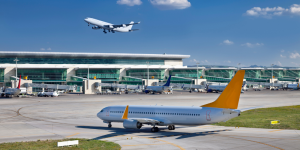
Why Airports Are Expanding
Air travel demand continues evolving as passenger volumes, cargo shipments, and business travel increase over the long term.
Anúncios
Many airports are investing in infrastructure to improve efficiency, accommodate future growth, and enhance the traveler experience.
Airport Modernization May Include
- New terminals
- Runway improvements
- Expanded gates
- Cargo facility upgrades
- Parking expansions
- Public transportation connections
These investments help airports improve capacity while supporting regional development.
Long-Term Planning Supports Future Growth
Airport infrastructure projects are often designed to meet transportation needs for decades to come.
Construction Projects Create Thousands of Jobs
Large airport developments require workers across many industries.
Employment Opportunities May Include
- Construction workers
- Electricians
- Engineers
- Architects
- Equipment operators
- Project managers
- Surveyors
- Skilled trades professionals
Many positions are created during both construction and long-term airport operations.
Airports Support Regional Economic Development
Airports serve as important economic centers that connect communities to domestic and international markets.
Economic Benefits May Include
- Business investment
- Tourism growth
- Freight transportation
- Regional competitiveness
- Increased commercial activity
- Local tax revenue
Improved transportation infrastructure often supports broader economic expansion.
Aviation Supports a Wide Range of Careers
Airport activity extends far beyond airline operations.
Aviation-Related Careers Include
- Airline personnel
- Air traffic support
- Ground operations
- Security professionals
- Aircraft maintenance technicians
- Customer service representatives
- Logistics specialists
Growing airport activity creates employment across multiple sectors.
Cargo Facilities Continue Expanding
The growth of e-commerce and global trade has increased demand for efficient air cargo operations.
Cargo Infrastructure May Include
- Distribution centers
- Freight terminals
- Warehouse facilities
- Automated handling systems
- Cold storage operations
Modern cargo facilities help improve supply chain efficiency.
Technology Is Improving Airport Operations
Digital innovation is helping airports improve efficiency, security, and passenger services.
Modern Airport Technologies Include
- Automated check-in systems
- Biometric identification
- Digital boarding processes
- Smart baggage tracking
- Artificial intelligence
- Operational data analytics
Technology investments help streamline airport operations while enhancing the travel experience.
Transportation Improvements Benefit Local Communities
Airport expansion often includes improvements beyond airport property.
Related Infrastructure May Include
- Highway upgrades
- Public transit connections
- Rail access
- Road improvements
- Parking facilities
- Pedestrian infrastructure
These projects improve accessibility for travelers and nearby residents.
Tourism Benefits From Better Airport Infrastructure
Modern airports help support tourism by making destinations more accessible.
Tourism Benefits May Include
- Increased visitor spending
- Hotel demand
- Restaurant growth
- Entertainment industry expansion
- Local business development
Communities with strong transportation infrastructure may attract additional tourism-related investment.
Businesses Value Strong Transportation Networks
Companies often consider airport access when making location and investment decisions.
Industries That Benefit Include
- Manufacturing
- Healthcare
- Technology
- Financial services
- Hospitality
- Logistics
Reliable transportation supports business operations and workforce mobility.
Sustainability Is Becoming Part of Airport Planning
Many modernization projects incorporate environmental considerations alongside operational improvements.
Sustainability Initiatives May Include
- Energy-efficient buildings
- Renewable energy projects
- Water conservation systems
- Electric ground vehicles
- Improved waste management
These efforts support long-term operational efficiency while reducing environmental impacts.
Workforce Development Supports Aviation Growth
As airport projects expand, employers continue seeking qualified workers.
High-Demand Skills Include
- Engineering
- Electrical systems
- Construction management
- Aviation maintenance
- Information technology
- Cybersecurity
- Logistics coordination
Education and workforce development programs help prepare employees for these careers.
Small Businesses Benefit From Airport Activity
Airport expansion can create opportunities for local businesses that provide goods and services.
Business Opportunities May Include
- Food and beverage services
- Retail operations
- Transportation providers
- Maintenance contractors
- Professional consulting
- Equipment suppliers
These partnerships contribute to broader regional economic growth.
Challenges Remain
Although airport modernization offers significant benefits, major infrastructure projects require careful planning.
Common Challenges Include
- Construction costs
- Project scheduling
- Environmental reviews
- Supply chain delays
- Workforce availability
- Coordinating multiple stakeholders
Effective planning helps projects stay on schedule and within budget.
What Americans Should Watch in 2026
Airport infrastructure continues evolving alongside changes in travel demand and technology.
Important Trends Include
- Terminal modernization
- Cargo facility expansion
- Digital airport technologies
- Sustainable infrastructure
- Increased aviation employment
- Public transportation integration
- Smart airport systems
- Regional economic development
These developments are expected to strengthen the aviation industry and support long-term economic growth.
Infrastructure Investment Will Continue Supporting Employment
As airport expansion projects move forward across the country, demand is expected to remain strong for construction professionals, engineers, aviation workers, technology specialists, and logistics experts.
A Practical Checklist for Exploring Aviation Career Opportunities
Individuals interested in airport-related careers can begin preparing through education and workforce development.
A Practical Checklist Includes
- Research aviation and infrastructure careers.
- Explore technical education and certification programs.
- Develop construction, engineering, or technology skills.
- Learn about airport operations and logistics.
- Consider apprenticeship opportunities.
- Stay informed about regional airport expansion projects.
- Build professional experience through internships.
- Follow aviation industry developments.
- Continue improving technical and communication skills.
- Match career goals with growing sectors within the aviation industry.
Following these steps can help job seekers prepare for opportunities created by America’s expanding airport infrastructure.
Final Thoughts on Airport Expansion and Economic Growth
Airport expansion projects are strengthening regional economies across the United States by creating jobs, improving transportation infrastructure, and supporting long-term economic development. Investments in terminals, runways, cargo facilities, digital technologies, and public transportation connections are helping airports meet future travel demand while increasing operational efficiency.
These modernization efforts generate employment opportunities across construction, engineering, aviation, logistics, hospitality, information technology, and many other industries. At the same time, improved airport infrastructure helps attract businesses, support tourism, expand trade, and improve connectivity for communities nationwide.
As infrastructure investments continue throughout 2026 and beyond, airport modernization is expected to remain an important driver of economic growth, workforce development, and regional competitiveness. Communities that benefit from upgraded aviation facilities will likely be better positioned to attract investment, create new employment opportunities, and support sustainable long-term growth in an increasingly connected economy.